The Book Club for Troublesome Women
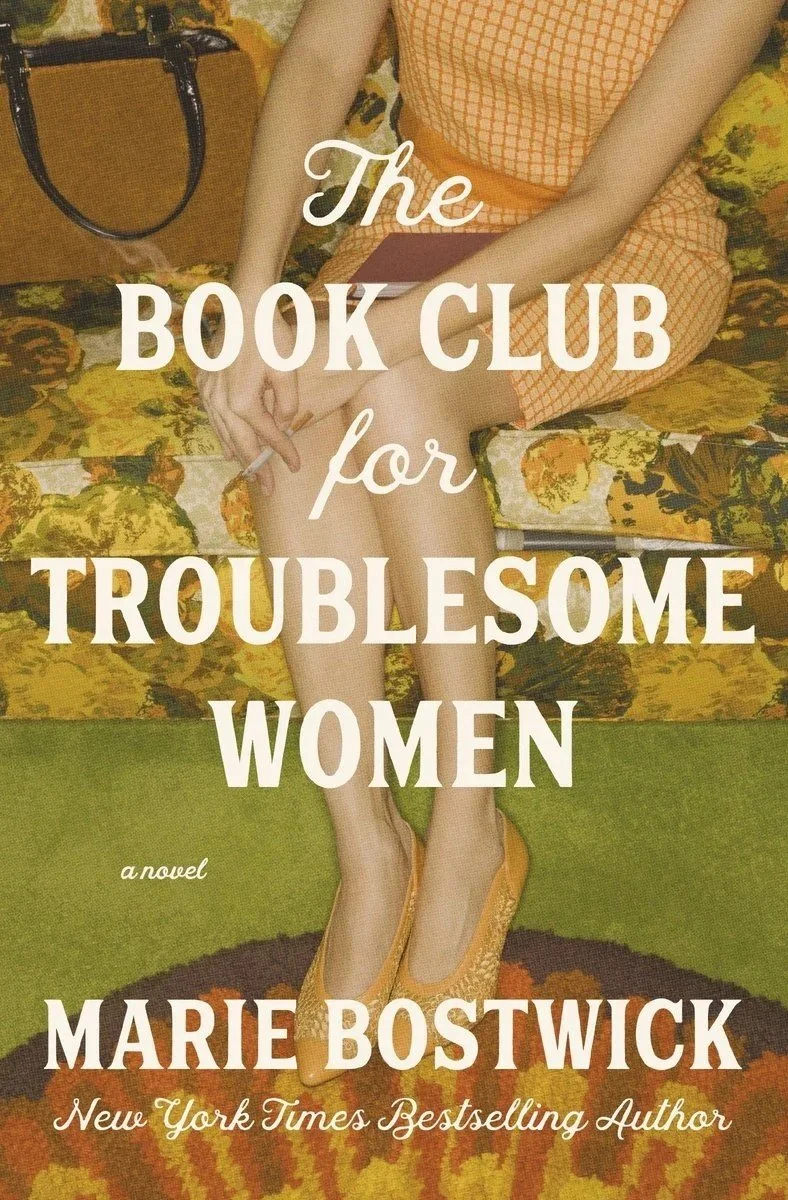
Maarie Bostwick’s novel, The Book Club for Troublesome Women, explores the lives of four distinct women: Margaret, Vivian, Charlotte, and Bitsy, living in the perfectionist town of Concordia, Virginia. Their shared journey begins with a book club centered on Betty Friedan’s The Feminist Mystique. Bostwick’s title, an apparent nod to John Lewis’s concept of “good trouble,” hints at the characters' nonconformist spirit. Through these women, the novel examines traditional gender roles in the mid-1960s, a time of rising social change. Each character, feeling a void in her life, joins the club in search of purpose and finds a supportive group of sojourners on their way toward greater fulfillment.
Two themes stand out to me, beyond the obvious cry for equality. First, I found the article Margaret writes for the fictional magazine A Woman’s Place particularly interesting. Margaret refers to the need people feel to fill voids in their lives with external, material goods, and how the products and articles in the magazine offer an assuage for their discontentment. I was struck by how the endless desire for congruence between our true and perceived realities remains relevant in today’s society, transcending time and speaking more holistically to the human condition itself. This disillusionment is even more apparent today; social media intensifies our self-scrutiny as we constantly compare ourselves to idealized versions of others. We often focus on fixing perceived flaws through the next perfect purchase, which is now just a click away, rather than living in the present moment and blazing our own paths (which should be far more attainable for today’s woman).
The second powerful theme is the pressure men face from strict societal roles. Many feel constrained by the expectation to be the sole breadwinner and to suppress their emotions. This brings to mind the proverb, "a chain is only as strong as its weakest link." It suggests that by suppressing any group, we hold all of humanity back. When women gain the right to manage their finances and advance their careers, men also benefit from a more balanced, supportive, and fulfilling life. However, certain realms of society would like to squelch such truths.
While the book’s language and narrative structure felt a bit simple at times, I appreciate Bostwick’s message regarding the hard-fought privileges women now enjoy. Her work serves as a vital reminder not to take these rights for granted and to honor the generations of women who paved the way.
